
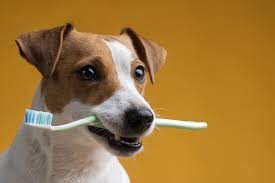
Pet grooming isn’t just about keeping your furry friend looking their best — it’s essential for their health and happiness too. One of the simplest and most effective grooming steps you can do at home is brushing. It might seem basic, but regular brushing offers huge benefits, whether you have a shaggy pup, a sleek short-haired cat, or anything in between.
🧼 Why Brushing Your Pet Matters

Brushing goes beyond just removing loose hair. Here’s what regular brushing helps with:
-
Removes dirt and debris from the coat
-
Reduces shedding around your home
-
Prevents painful mats and tangles
-
Stimulates natural oil production for a shiny, healthy coat
-
Lets you check for fleas, ticks, bumps, or skin issues
-
Strengthens your bond with your pet
Brushing can be a calming ritual — and a great way to monitor your pet’s health in between grooming appointments or vet visits.
🐶🐱 How Often Should You Brush?

This depends on your pet’s breed, coat type, and activity level:
-
Long-haired dogs/cats (e.g. Golden Retrievers, Persians): Daily brushing to prevent mats.
-
Short-haired pets (e.g. Beagles, Boxers, short-haired cats): 1–2 times per week.
-
Double-coated breeds (e.g. Huskies, German Shepherds): Several times a week, especially during shedding seasons.
-
Curly or wavy coats (e.g. Poodles): Every couple of days to avoid tangles.
🛠️ Tools You’ll Need

You don’t need a fancy grooming setup to get started — just a few basic tools:
-
Slicker brush: Great for detangling and removing loose fur.
-
Deshedding tool: Helps with undercoat removal, especially during shedding season.
-
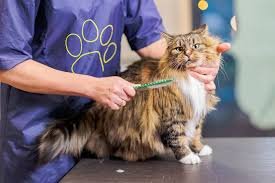
Comb: Good for detailed work around the face or tail.
-
Glove brush: Perfect for sensitive pets who don’t like traditional brushes.
🐾 Tips for Successful Brushing
-
Start slow: Let your pet sniff the brush and ease into the routine.
-
Make it positive: Use treats or praise to make brushing feel like a reward.
-
Stay gentle: Avoid pulling on tangles; use detangling spray or a comb for stubborn mats.
-
Watch for signs: If your pet is uncomfortable or you notice skin issues, take a break and consult a vet or groomer.